February 23, 2026
Starlink Mini: Live Streaming and VPN from Anywhere
 +
+
We wanted to test a simple idea: can you do professional live streaming from anywhere, without fiber, without fixed infrastructure, powered only by a powerbank? The short answer: yes, and it works flawlessly.
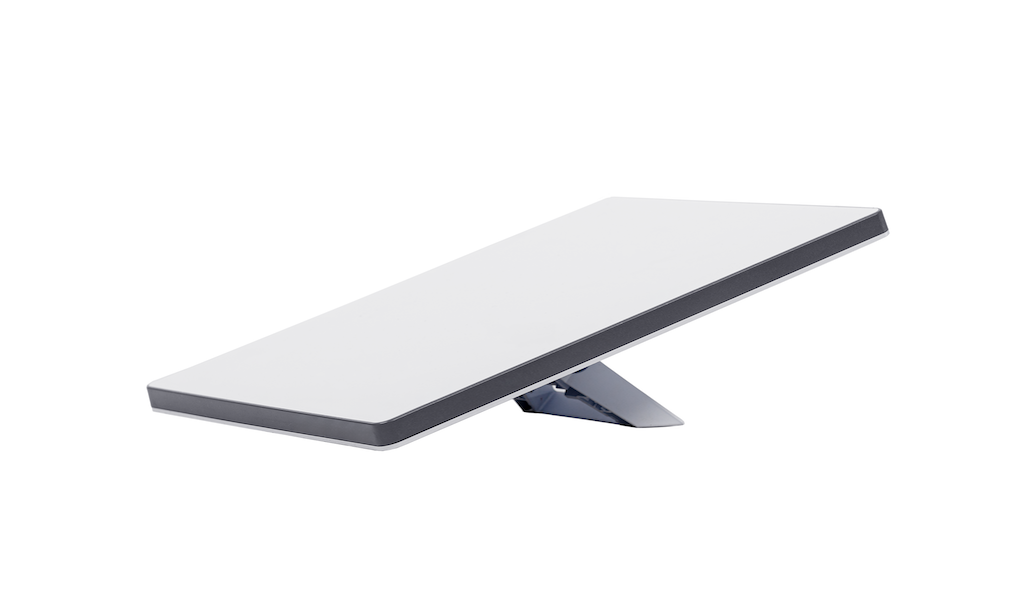
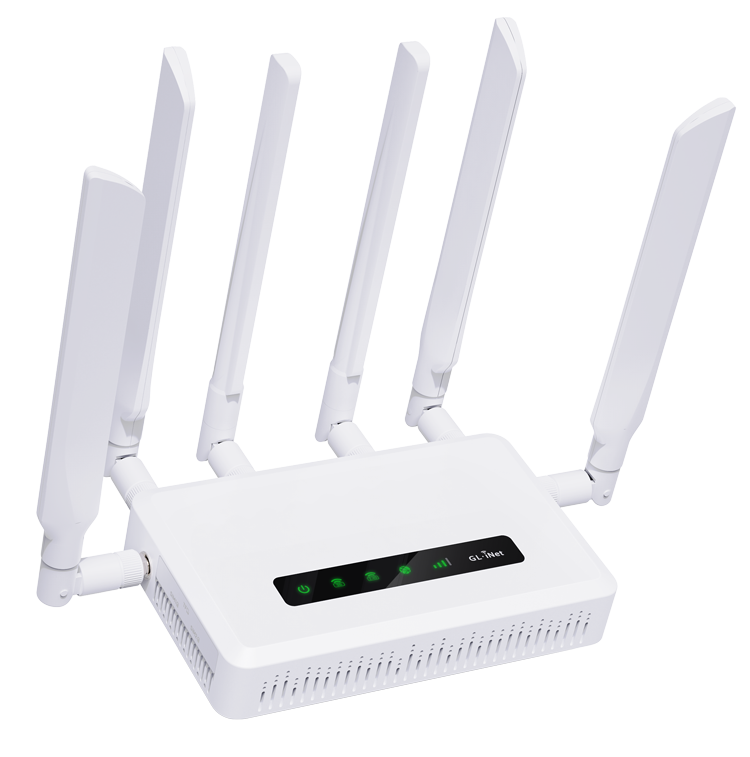
The setup: a Starlink Mini dish, a GL.iNet AX3000 router for cellular backup, an Anker powerbank for power, and a laptop. That's it. Everything fits in a backpack.
Test #1: IPTV over VPN — Digi TV Online
The first test was simple but revealing. We connected the Starlink Mini, brought up a WireGuard tunnel to our home network (which runs on Digi fiber), and opened Digi TV Online.
Result: perfect streaming. Zero buffering, HD quality, as if we were home on fiber. The WireGuard tunnel over Starlink is so stable and fast that the IPTV service couldn't tell the difference. Satellite latency (around 30-50ms with Starlink) doesn't affect streaming — it's low enough for any video consumption application.
Test #2: Live RTMP streaming with Owncast
The second test was more ambitious: live streaming from the field via RTMP to an Owncast server. Essentially, a mobile mini production unit broadcasting live to the internet, powered exclusively by Starlink.
We configured OBS on the laptop to send the RTMP stream to our Owncast server. Bitrate: 4500 kbps video + 160 kbps audio. Through the Starlink Mini we consistently got:
- Download: 400-500 Mbps
- Upload: 40-50 Mbps
With 40-50 Mbps upload, you can stream at excellent quality and still have 10x bandwidth to spare. The stream ran without a single interruption for hours. Zero dropped frames, zero buffering on the viewer side.
The complete setup: everything from a powerbank
The most satisfying aspect of the project: the entire setup runs off-grid, no power outlet needed. Components:
- Starlink Mini — satellite dish, power consumption max 21W
- GL.iNet AX3000 — router with SIM slot for cellular backup (4G/5G), ~10W consumption
- Anker powerbank — powers both the Starlink and the GL.iNet router
- Laptop — OBS for encoding and RTMP transmission
The GL.iNet router serves as failover: if Starlink has a brief interruption (satellite handoff, temporary obstruction), traffic automatically switches to cellular. In practice, Starlink was so stable that the cellular failover barely ever activated.
Battery life from the powerbank depends on capacity, but with a 25,600 mAh Anker you can sustain the setup for 2-3 hours without issues. For longer sessions, a second powerbank or a small solar panel does the trick.
Tested across multiple locations
We didn't just test in one spot. We tried the setup across multiple locations in Romania — urban, suburban, and rural. Results were consistently good:
- Urban — peak speeds (400-500 Mbps), minimal latency
- Suburban — identical performance, zero difference from urban
- Rural — surprisingly good, same speeds, the Mini dish picks up excellent signal even in areas with partial horizon obstructions
Starlink Mini is super reliable. It's not one of those gadgets that works "when it feels like it." It's a mature, stable product you can depend on for production use. We were honestly surprised by the consistency — regardless of location or time of day, speeds stayed in the same range.
Why this matters
Think about scenarios where you need serious internet but have no fixed infrastructure:
- Live event broadcasts — conferences, concerts, festivals in locations without fiber
- Field video production — uploading raw footage to the studio in real-time
- Mobile teams — journalists, emergency crews, construction sites
- Backup internet for critical locations — when fiber goes down, Starlink takes over automatically
- Outdoor corporate events — presentations, demos, video calls from anywhere
With a Starlink Mini, a router with cellular failover, and a powerbank, you essentially have a portable high-speed ISP that fits in a backpack. No dependencies, no contracts, no power outlet needed.
Bottom line
As a technical project, this was extremely satisfying. We started with "will this even work?" and ended up at "this works better than expected." Starlink Mini consistently delivers 400-500 Mbps download and 40-50 Mbps upload — more than enough for any streaming or VPN scenario. Powered by a powerbank, with cellular backup, it's a complete mobile connectivity solution.
If you have a project that needs reliable connectivity in locations without infrastructure, or want to discuss a mobile streaming setup, get in touch.